
English| EUR
Suggested for you
More currencies
Choose a language
Tortuguero sits on a strip of sand between the Caribbean and a lattice of freshwater canals, reachable only by boat or small plane. That isolation shapes almost every safety question travellers ask about the place. This is tortuguero costa rica safe guide sets out what the real hazards are, and which ones are imagined.
Quick answer
Yes. Tortuguero is one of Costa Rica's safer destinations: there are no roads, no through-traffic and a permanent SINAC ranger presence at the park entrance, open daily 06:00–12:00 and 13:00–16:00. The genuine risks are environmental rather than criminal — river currents, rip tides on the Caribbean beach, and wildlife encounters — and all are managed by staying with a licensed guide.
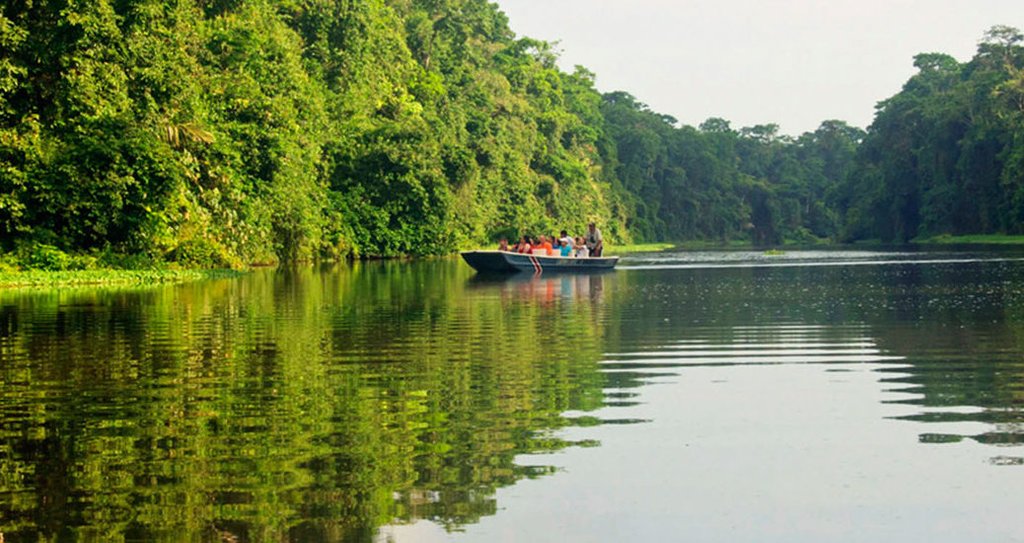
The village has no cars. Not a single road connects Tortuguero to the rest of Costa Rica, and that one fact explains most of its safety profile. Everything arrives by boat from La Pavona or Moín, or by light aircraft onto a grass strip. Crime that depends on a getaway vehicle simply does not function here, and the community of roughly 1,200 residents is small enough that strangers are noticed. Travellers asking is tortuguero costa rica safe are usually importing worries from San José or the Limón highway corridor; the answer changes once the road ends. What replaces those worries is water and weather. The canals are tannin-dark, deep in places, and home to spectacled caiman and American crocodile. Nobody swims in them. The Caribbean beach in front of the village looks inviting and is not: strong rip currents and an offshore shelf make it unsuitable for bathing, a point every lodge repeats on arrival. Rain is constant rather than seasonal — the region records over five metres a year — so trails such as the Sendero El Gavilán turn slick, and closed-toe footwear matters more than a rain jacket. Green turtle nesting season, roughly July through October, brings its own protocol: no white light, no flash, and no beach access after dark without an accredited guide, enforced by park rangers and local turtle-watch coordinators. Inside the protected area itself, the structure does most of the work. Entry is logged at the Cuatro Esquinas ranger station, the park closes for a midday break, and visitors are expected to be back out on the water before late afternoon. Boat operators carry life vests and radios; guided canal tours run at low throttle, both for wildlife-spotting and because sudden wakes destabilise small craft. Solo hiking off marked trails is discouraged, less for fear of assault than because the rainforest here is genuinely disorienting. So the practical answer to is tortuguero costa rica safe is that the destination rewards compliance. Read the lodge briefing, keep valuables off the boat deck, carry cash in a dry bag, and treat the Tortuguero National Park safety rules as operational instructions rather than liability boilerplate. Reaching Tortuguero from San José takes most of a day in each direction, which is the strongest argument for building the trip around an organised transfer and a licensed guide rather than improvising. Book the boat, book the guide, and the risks shrink to weather.
“Crime that depends on a getaway vehicle simply does not function here.”
Navigating the waterways and jungle paths of Tortuguero requires specific attention to environmental variables to ensure a secure visit.
Certified guides possess the necessary expertise to navigate narrow, shallow canals safely without disturbing delicate ecosystems. They are trained to identify hidden submerged hazards and manage boat positioning in varied water currents.
The dense vegetation and humid environment result in high mosquito activity throughout the day. Applying repellent before departing for canal tours minimizes health risks and keeps you comfortable.
Venturing off marked trails increases the risk of disorientation and unexpected encounters with territorial wildlife. Remaining with your guide ensures you follow established safety protocols for jungle trekking.
Canal banks often conceal caimans or snakes that may react if they perceive movement close to the water. Always keep your body entirely within the boat to avoid accidental contact with wildlife or submerged debris.
High relative humidity often masks dehydration levels while exploring the park. Carry a reusable water bottle and monitor fluid intake regularly to maintain energy levels during your time in the park.
Tortuguero's canals and beaches are active nesting and feeding grounds, so conduct rules here protect nesting turtles, caimans and howler monkeys as much as visitors. Rangers enforce distance, lighting and noise protocols, and ignoring them is the most common reason groups are turned back.
Tortuguero National Park is located in the Limón Province and is accessible only by boat or light aircraft. Navigating to the village via official water taxi services from La Pavona remains the standard, secure approach for visitors.
Drive Route 32 from San José to Cariari, then proceed to La Pavona dock
Public boat or authorized water taxi from La Pavona to Tortuguero
Public bus from Gran Terminal del Caribe (San José) to Cariari, then connecting bus to La Pavona
Plan your arrival within the best arrival window of 06:00–12:00 to ensure you have sufficient time for water transit. Using established, authorized transport services is recommended for a secure and reliable transfer to the park.
Tortuguero National Park operates on a consistent daily schedule throughout the week to manage visitor access and environmental preservation. Planning your visit within these established windows ensures you remain within authorized zones.
Access to Tortuguero National Park requires payment of a mandatory conservation fee. To ensure entry and avoid third-party markups or scams, tickets must be purchased in advance directly through the official SINAC portal.
Verdict: A typical adult pays 16.95 USD, with the total cost remaining constant regardless of the specific day or time chosen for arrival.
Everything you need to know about is tortuguero costa rica safe
Tortuguero is generally considered a safe destination for international travelers focused on nature and wildlife observation. Visitors should practice standard travel precautions and remain aware of their surroundings when exploring this remote region.
The area is well-regulated by local authorities and park rangers who monitor the canals and nesting beaches. Following official guidelines and sticking to marked paths ensures that your visit to this Costa Rica national park remains secure.
Families often find the environment suitable for children, provided they are supervised closely near the water. It is important to book guided experiences through reputable providers to ensure a safe and educational visit.
The safest way to reach the park is by using organized transport services that handle the boat transfers from the mainland. Coordinating your arrival during the recommended best arrival window of 06:00–12:00 allows for smoother logistics and daylight navigation.
While the village itself is quiet, it is best to avoid walking on the beach at night unless you are part of an organized, legal sea turtle nesting tour. Staying within populated areas or your lodge after dark is the standard recommendation for all visitors.
You must follow all instructions from authorized guides to ensure your safety and the protection of the environment. Always maintain a respectful distance from wildlife and avoid unauthorized interaction with nesting animals.
Standard travel health precautions apply, such as using insect repellent and staying hydrated in the tropical heat. Medical facilities are limited, so carry any necessary personal prescriptions and maintain travel insurance for peace of mind.