
English| EUR
Suggested for you
More currencies
Choose a language
Tortuguero has no road. Reaching it means a boat or a small plane, which is why the question of whether the detour pays off comes up so often. This page weighs the return honestly — the wildlife, the access constraints, and the conditions under which the answer changes.
Quick answer
For most visitors, yes — the park charges a 16.95 USD conservation fee per person, purchased in advance through SINAC, and returns rainforest canals navigable only by boat, with sightings that few Costa Rican reserves match. The caveat: gates open at 06:00 and close for a midday break, so a rushed single-day visit compresses the best hours into a narrow window.
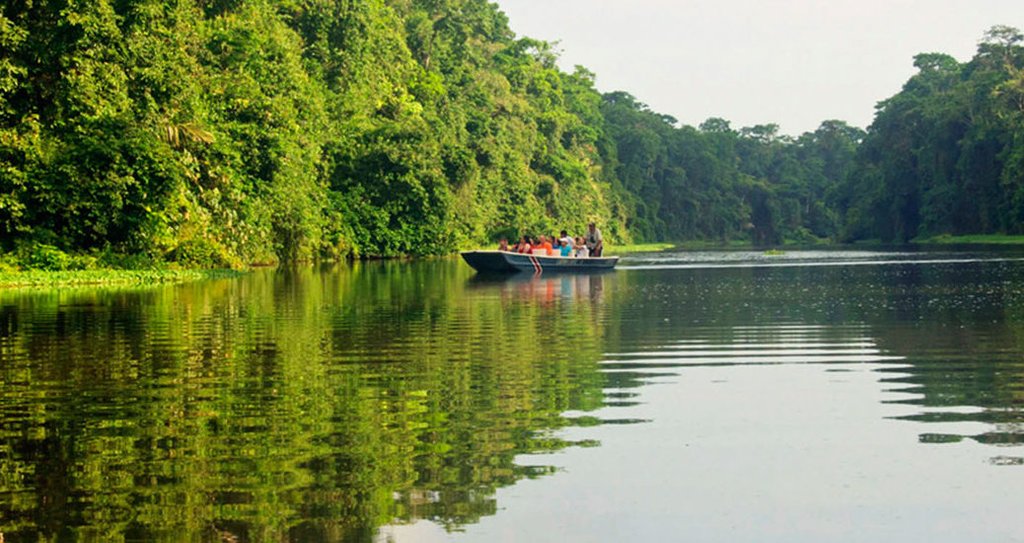
Tortuguero is one of the few Costa Rican national parks that cannot be reached by car. The village and its park entrance sit on a strip of land between the Caribbean and a network of freshwater canals, accessible only by boat from La Pavona or Moín, or by a short flight into the local airstrip. That isolation is the whole point. It is also the first thing anyone asking is it worth going to Tortuguero has to weigh, because the travel cost is measured in hours, not colones. What the isolation buys is density. The canals cut through lowland rainforest where howler monkeys, spider monkeys, three-toed sloths, green iguanas, basilisk lizards and caimans concentrate along the water's edge because the water's edge is where the light gets in. Birders come for the great green macaw, the keel-billed toucan and the boat-billed heron. Between roughly July and October the beach hosts green sea turtle nesting, the phenomenon that gave the place its name — tortuguero means turtle catcher — and which the Sea Turtle Conservancy has monitored here since 1959, making it one of the longest-running marine research programmes anywhere. Visitors arriving outside that window still get the canals, which is the part many underestimate. The honest qualifier is that Tortuguero rewards patience and punishes haste. Wildlife viewing here is not a checklist exercise; it is slow water, a guide with a spotting scope, and long stretches where nothing happens. A Tortuguero National Park tour compressed into a single frantic day can work, but it leaves little margin. Two nights in the village turns the same trip into something unhurried — an early canal run, a walk on the Sendero El Gavilán, an evening on the beach. Rain is constant enough year-round that dry-bag discipline matters more than season-chasing, and mosquitoes are a fact, not a rumour. So the practical answer to is it worth going to Tortuguero depends on what a traveller is optimising for. Those collecting Costa Rica landmarks efficiently will find better ratios elsewhere. Those who want a rainforest that still behaves like one, reached the slow way, tend to rate it among the country's strongest experiences. This guide sets that frame; the sections that follow handle the schedule, the fee, the route and the sightings in detail.
“Tortuguero rewards patience and punishes haste — the canals run on their own clock, not the visitor's.”
The period between July and October offers the highest probability of observing green sea turtle nesting, which defines the primary seasonal appeal of Tortuguero. Daily visits should prioritize the early morning window to align with peak wildlife activity and moderate temperatures.
Humid with frequent rain showers
Nesting season for green sea turtles peaks during these months.
Drier with varying precipitation
Turtle activity is lower, though canal wildlife remains visible.
Cooler air and calmer water
The best arrival window is 06:00–08:00 when animals are most active.
Verdict: The best time for a visit is between July and October, arriving at the 06:00–08:00 window to maximize wildlife sightings.
Tortuguero National Park is located on the northern Caribbean coast of Costa Rica and remains inaccessible by road. Visitors must reach the park via domestic flight or a combination of ground transport and boat transfer.
Drive Route 32 from San Jose to La Pavona, then transfer to boat
Public boat transfer from La Pavona pier to Tortuguero village
Domestic flight from San Jose (SJO) to Tortuguero Airstrip (TTQ)
If traveling by land, ensure your arrival at La Pavona aligns with scheduled public boat departures. Parking is available at the La Pavona dock for those driving private or rental vehicles.
Tortuguero National Park remains open to visitors daily throughout the week. Planning your arrival within these operational windows ensures you have adequate time to explore the park sectors.
Preparation for the unique climate and slow-paced observation methods will define the quality of your visit to Tortuguero National Park.
High humidity and frequent rain are constant; place all cameras and phones in dedicated dry bags before leaving your transport.
Cotton clothing absorbs moisture and remains heavy, so opt for synthetic, moisture-wicking fabrics that dry rapidly in the tropical environment.
Wildlife in the canals is sensitive to noise; keep conversations to a whisper and minimize sudden movements to avoid startling birds and primates.
Because wildlife is often high in the canopy or deep within mangroves, high-quality binoculars are necessary to distinguish species from a distance.
Canal tours require patience as you remain seated for long periods while scanning the vegetation, rather than walking through a traditional trail system.
Everything you need to know about is it worth going to tortuguero
Determining if it is worth going to Tortuguero depends on your interest in biodiversity and canal systems. Most visitors find the unique opportunity to explore freshwater creeks and nesting sites of green sea turtles highly rewarding.
The park is famous for its dense rainforests, freshwater canals, and diverse inhabitants including spider monkeys, caimans, and colorful toucans. Exploring these waterways by boat offers an intimate look at a protected wetland ecosystem.
While the travel time from San Jose can be significant, those who enjoy nature and photography often decide it is worth going to Tortuguero even for a short duration. Planning your arrival window early ensures you maximize your time in the park.
Entry requires a conservation fee of 16.95 USD per person, which must be purchased in advance via the official SINAC website. This fee directly supports the maintenance and protection of this critical natural reserve.
Even with seasonal rainfall, the wildlife remains active and the lush landscape is vibrant, making it worth going to Tortuguero regardless of typical tropical showers. The canals remain navigable and the animal sightings are consistent throughout the year.
To make the most of your trip, arrive between 06:00 and 08:00 when wildlife is most active and temperatures are cooler. This timing helps avoid peak crowd density and ensures a more tranquil experience on the water.
Families often find that the educational value and gentle boat tours make it worth going to Tortuguero with younger travelers. The park offers a safe environment to learn about conservation and tropical biology.