
English| EUR
Suggested for you
More currencies
Choose a language
Tortuguero has no road. Every arrival is by boat or small plane, which means the length of your stay is decided less by what there is to see than by how much of each day the journey eats. This how many days in tortuguero guide sets out what each additional night actually adds, and where the returns flatten out.
Quick answer
Two nights is the standard answer, giving two full mornings inside the park during the 06:00–08:00 arrival window when wildlife is most active. One night works but leaves a single morning. Three nights suits birders and nesting-season visitors. A same-day trip from San José is possible, though it trades most of the canal time for road and boat transfers.
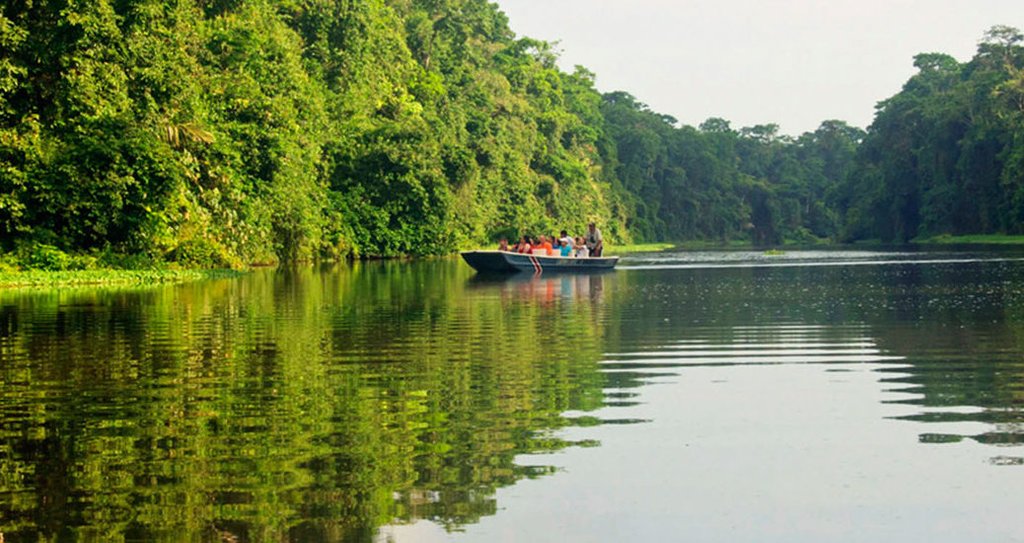
The park protects 22 miles of Caribbean coastline that green turtles have used as a nesting beach for longer than Costa Rica has been a country — and not one mile of it is reachable by car. Boats leave from La Pavona and Moín; light aircraft land on a strip beside the village. That single geographic fact governs everything a visitor plans, and it is why the question of how many days in tortuguero is really a question about transfer time rather than attractions. The arithmetic is unforgiving. The park admits visitors from 06:00, closes at midday, and reopens for the afternoon, and the official guidance names 06:00–08:00 as the window when the canals are busiest with wildlife and the light is cleanest for photography. A traveller arriving mid-afternoon has effectively bought half a day. A traveller leaving on a morning boat forfeits the best hours of their final day. Each night in the village therefore does not buy 24 hours of park access; it buys one dawn. That is the unit worth counting. Two nights delivers two dawns, which is enough to see the four monkey species, the caiman on the mud banks, and — with a guide who knows the narrower waterways such as Caño Chiquero and Caño Palma — the green macaws and tiger herons that a single outing tends to miss. The conservation fee is charged per person per entry, which quietly rewards longer stays: the marginal cost of a second morning is small next to the fixed cost of getting to Tortuguero at all. Nesting season, roughly July through October for green turtles, is the one period where a third night earns its keep, since beach patrols run at night and leave the daylight hours free for the canals. Outside that season, most visitors find the returns flatten after the second dawn. Anyone still weighing how many days in tortuguero should therefore start from the calendar rather than the itinerary: check whether the visit falls inside nesting season, then decide whether a Tortuguero canal tour on two consecutive mornings answers what they came for. A San José day trip remains a legitimate choice for tight schedules — it simply delivers a glimpse of the Caribbean lowlands rather than the park itself. The dedicated sections below cover timing, transport, fees and hours in full.
“Each night in the village does not buy 24 hours of park access; it buys one dawn. That is the unit worth counting.”
This two- to three-day plan suits visitors coming from San Jose who want real time on the canals rather than a rushed round trip, since the road-and-boat transfer eats most of one day at each end. Two nights in Tortuguero village is the realistic minimum; three nights adds a second canal trip without repeating yourself.
Leave the capital before dawn for the drive to the La Pavona or Caño Blanco docks, roughly four hours including a breakfast stop. Boat transfer to Tortuguero village adds around 90 minutes.
Drop bags, then walk the sand streets between the boat dock, the soccer field and the Caribbean-facing beach. Allow two hours; the whole village is walkable end to end in about 20 minutes.
Stop at the Sea Turtle Conservancy Visitor Center and museum near the north end of the village for context on the nesting programme. Budget 45 minutes.
Head out on the park's canals at the best arrival window of 06:00 to 08:00, when wildlife is most active and light is best for photography. Most trips run two to three hours.
Return to the village for lunch and a break; heat and rain peak in the early afternoon. Use this window to dry gear and recharge camera batteries.
Choose between the short jungle trail behind the ranger station or the climb up Cerro Tortuguero for a view over the canal system. Either takes two to three hours including boat transfer.
A second early boat covers different waterways such as Caño Chiquero or Caño Mora, so sightings rarely repeat. Skip this if you are on the two-day version.
Take the midday boat back to the dock and the bus or shuttle to San Jose, arriving late afternoon. Confirm your boat time the evening before, as departures cluster rather than run hourly.
Tortuguero National Park is located on the northern Caribbean coast of Costa Rica and is accessible only by boat or light aircraft due to the lack of road access. Planning your duration requires accounting for these transit times, as travel from San José typically takes most of a day.
Drive from San José to La Pavona dock via Route 32 and Route 247
Public boat transfer from La Pavona dock to Tortuguero village
Domestic flight from San José (SJO) to Tortuguero Airstrip
The best arrival window is 06:00–08:00 to ensure you reach the park when wildlife is most active and light is optimal for photography.
Tortuguero National Park maintains a consistent daily operating schedule throughout the week to accommodate visitors. The park is open every day, including weekends, with a midday closure.
Tortuguero is reached by boat and sits in constant humidity, so a little preparation weeks ahead saves trouble on arrival.
Everything you need to know about how many days in tortuguero
Most travelers find that two to three days in Tortuguero provide enough time to explore the canals, village, and beaches without rushing. Deciding how many days in tortuguero depends on your interest in nesting turtles, bird watching, and jungle trekking. A longer stay allows for deeper exploration of the biodiversity found in this unique Costa Rican destination.
A one-day trip to Tortuguero National Park is possible if you are arriving from San Jose with a pre-arranged tour. However, keep in mind that travel time is significant, and you may have limited opportunities to explore the secondary trails or participate in night tours. Carefully consider your schedule before deciding how many days in tortuguero you will commit to.
Yes, staying longer improves your chances of encountering diverse fauna, as wildlife activity can vary significantly due to weather and time of day. Spending more time allows you to explore different canal systems where manatees, caimans, and various monkey species are frequently spotted. This flexibility is a key factor when calculating how many days in tortuguero you need to satisfy your interests.
The park is open daily from 06:00–12:00 and 13:00–16:00. These hours apply regardless of how many days in tortuguero you spend on site, so plan your canal boat tours within these windows. Access outside these times is restricted to protect the environment.
The entrance fee is 16.95 USD as a conservation fee for non-resident adults. This fee is mandatory for all visitors entering the national park. Check official channels to ensure you have the correct payment method ready before arriving at the ranger station.
Yes, two days allow enough time to navigate the primary canal network and experience the culture of the local village. You can walk the paths and take a boat tour while still enjoying the remote atmosphere of the region. Many visitors find that this duration is sufficient to capture the highlights of the park.
The best arrival window is 06:00–08:00 to ensure you experience the most active wildlife periods and optimal light for photography. Arriving during this time helps you make the most of your excursion, especially if you are on a tight schedule.